What Google AI Overviews actually cite in 2026 — and how to get in
Google AI Overviews don’t rank pages — they cite sources. Understanding what determines which sources get cited, and which get skipped entirely, is the most underutilised advantage in search right now.
What changed when AI Overviews launched at scale
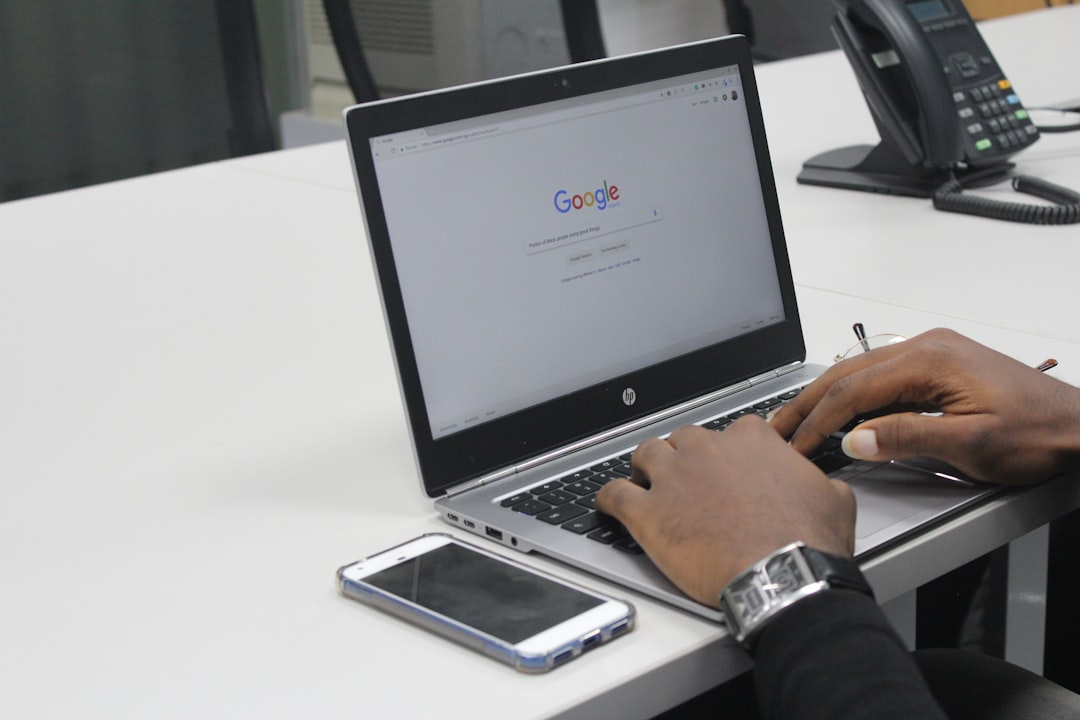
Before AI Overviews, appearing in search meant ranking in the top ten. A page with decent backlinks, reasonable content, and technical fundamentals could compete. AI Overviews changed the game: now Google synthesises an answer directly in the results and cites two to five sources beneath it. If your page is not in those citations, users may never scroll to the organic results at all.
Studies from BrightEdge and Semrush tracking AI Overview rollout in 2025 and 2026 found that queries triggering AI Overviews saw a significant reduction in clicks to pages not cited in the overview itself. The cited sources, conversely, received a disproportionate share of remaining traffic — and that traffic converted at a markedly higher rate than standard organic clicks, because users arrived already primed by the answer Google presented.
The 7 factors that determine AI Overview citations
1. Content directly answers the query
Google’s AI Overview system retrieves pages that answer the specific question, not pages that rank for the topic in general. A page optimised for “Meta Ads for real estate” broadly is less likely to be cited for “how to reduce CPL for Dubai property leads on Meta” than a page that directly addresses that specific question. Answer-first structure is non-negotiable.
2. E-E-A-T signals are strong and verifiable
Experience, Expertise, Authoritativeness, and Trustworthiness are not just ranking factors — they are citation filters. Google’s systems look for verifiable author credentials (is this person actually an expert?), entity associations (is this brand associated with the topic across multiple sources?), and publication history. A page with a named expert author, their credentials linked to an about page, and their name appearing in third-party sources is structurally more citable than anonymous content.
3. Schema markup is implemented correctly
FAQPage, Article, Person, and Organization schema markup communicate meaning to Google’s extraction systems with a precision that prose alone cannot. Pages with FAQPage schema are disproportionately cited in AI Overviews for question-based queries because the schema presents content in the exact format the AI system needs to generate a structured answer. This is not a marginal improvement — it is a structural advantage.
4. The page loads fast and is technically clean
Pages with Core Web Vitals issues, slow LCP scores, or significant JavaScript rendering dependencies are harder for AI crawlers to extract cleanly. Technical performance is a citation prerequisite, not a ranking bonus. A well-structured, fast-loading page that answers a question directly will consistently outperform a slow, JavaScript-heavy page with better backlinks for AI Overview citation purposes.
5. The content contains specific, verifiable claims
Research from Princeton’s NLP group demonstrated that content containing specific statistics, named sources, and verifiable claims is cited by generative AI at significantly higher rates than content making the same points in vague, generic terms. Writing “our clients typically see a 40–60% CPL reduction” is more citable than “we help clients reduce their cost per lead.” Specificity is a citation signal.
6. The page has topical authority, not just page authority
Google’s AI Overview system favours sources that demonstrate consistent expertise on a topic cluster, not individual pages with high domain authority. A specialist consultant site with twelve deeply researched articles on Meta Ads for real estate will outperform a large generic marketing site with one article on the same topic for AI Overview citations in that specific category. Topical authority is built by publishing interconnected, comprehensive content on a focused subject area over time.
7. The content is regularly updated and accurate
AI Overviews are particularly sensitive to content freshness for queries where accuracy matters. Outdated statistics, deprecated platform features, or advice that was correct in 2023 but has since changed are active citation risks — Google will preferentially cite fresher sources that reflect current platform states. For industries like paid advertising, where platforms change frequently, maintaining content currency is a competitive advantage.
| Citation Factor | Impact Level | Time to Implement |
|---|---|---|
| Answer-first content structure | High | 1–3 days |
| FAQPage schema markup | High | 1–2 days |
| Named author with verifiable credentials | High | 1 day |
| Specific statistics and verifiable claims | High | 2–5 days |
| Core Web Vitals / page speed | High | 1–4 weeks |
| Topical authority cluster | High | 3–6 months |
| Content freshness / update cadence | Medium | Ongoing |
| Organization schema | Medium | 1 day |
| Internal linking to related content | Medium | 1–2 days |

What does not influence AI Overview citations
Several common SEO practices have minimal impact on AI Overview citations, and understanding what does not matter is as useful as knowing what does.
High domain authority alone does not guarantee citation. Large sites with strong DA scores are frequently absent from AI Overviews when smaller specialist sites with better topical authority answer the query more directly. Domain authority is a ranking factor; topical precision is a citation factor.
Keyword density and exact-match optimisation are largely irrelevant. AI Overviews are semantically driven — Google’s systems understand meaning and intent, not keyword frequency. Over-optimised content with unnatural keyword repetition may actually perform worse in citations than naturally written content that uses varied language to describe the same concepts.
Word count as a proxy for quality does not work. A 500-word page that answers a specific question clearly and cites verifiable data will be cited over a 3,000-word article that buries the answer in padding. Conciseness combined with accuracy is the correct content format for citation optimisation.
Quick wins: what to implement first
If you are starting GEO work today, prioritise in this order. First, audit your existing high-traffic pages and add FAQPage schema to any page that already contains question-and-answer content — this is the fastest change with the highest citation impact. Second, ensure every page has a named author with a link to an about page that establishes credentials. Third, review your top ten pages for answer-first structure: does the page lead with a direct answer to the implicit query, or does it build context before getting to the point?
Entity establishment — ensuring your brand name and niche are associated across multiple credible sources — is slower but compounds over time. Start building it now: guest posts, podcast appearances with transcripts, quotes in industry publications, and citation in open directories all contribute to the entity signal that makes Google’s AI system treat you as an authoritative source rather than an unknown one.
Measuring AI Overview citation progress
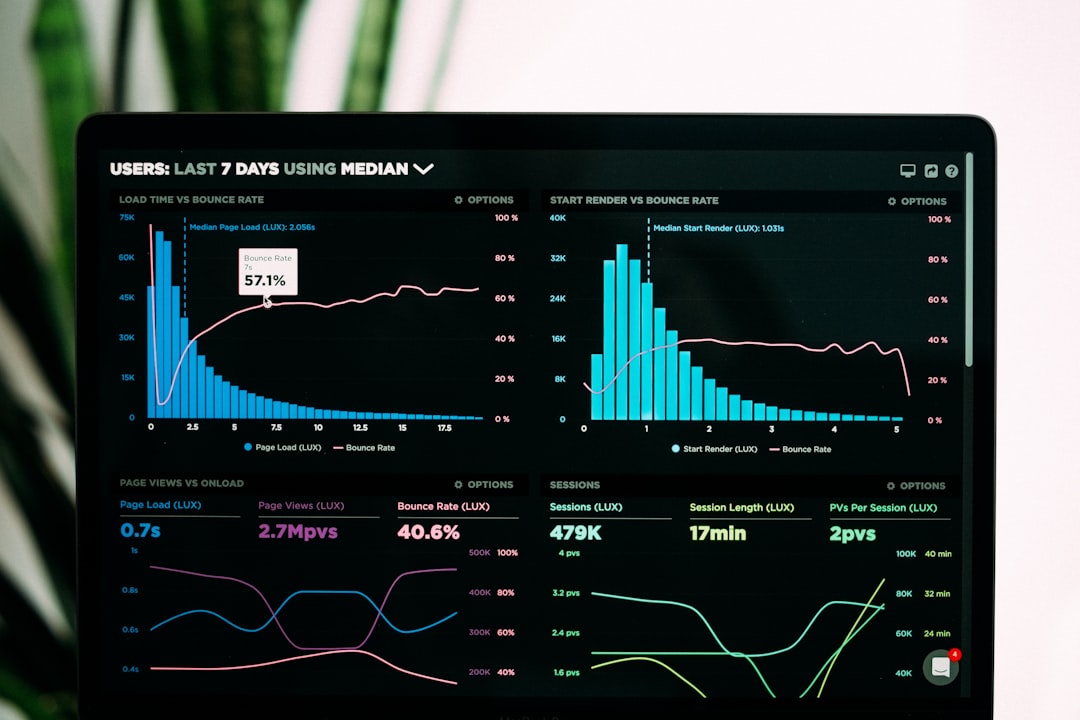
Google Search Console does not yet provide a dedicated AI Overview report, though this is expected to evolve. Current measurement approaches involve manual query tracking — maintaining a spreadsheet of target queries, checking for AI Overview presence, and recording whether your site is cited. Track this monthly with consistent query sets.
GA4 can supplement this with a custom channel grouping for AI-referred traffic. Sessions from google.com with referrer patterns consistent with AI Overview clicks tend to have above-average engagement rates and lower bounce rates — a reliable signal that citation is driving qualified traffic even before formal reporting tools exist.
Putting it together: a practical implementation order
The sequence that produces results fastest: start with FAQPage schema on existing content (day 1), add named author markup with credentials (day 1), audit your top ten pages for answer-first structure and rewrite opening paragraphs (week 1), build the entity signal layer across directories and third-party publications (months 1–3), then publish a consistent topical cluster of interconnected articles on your specific niche (months 3–6). Each layer compounds the one before it.

Find out exactly where you stand
in Google AI Overviews.
The Proof Audit covers your citation signals, schema implementation, content structure, and entity authority — and tells you precisely what is blocking you from appearing in AI-generated answers.