Why Your Meta Ads ROAS Is Lying to You: The 2026 Attribution Reality
If your Meta Ads reported conversions dropped sometime after January 12, 2026, with no change to your campaigns, budget, or targeting, the most likely explanation isn’t weaker ad performance. Meta changed how it counts conversions. Businesses with longer sales cycles — real estate, B2B, high-ticket services — appear to have been hit hardest. Your actual sales likely didn’t change. The number on your dashboard did.
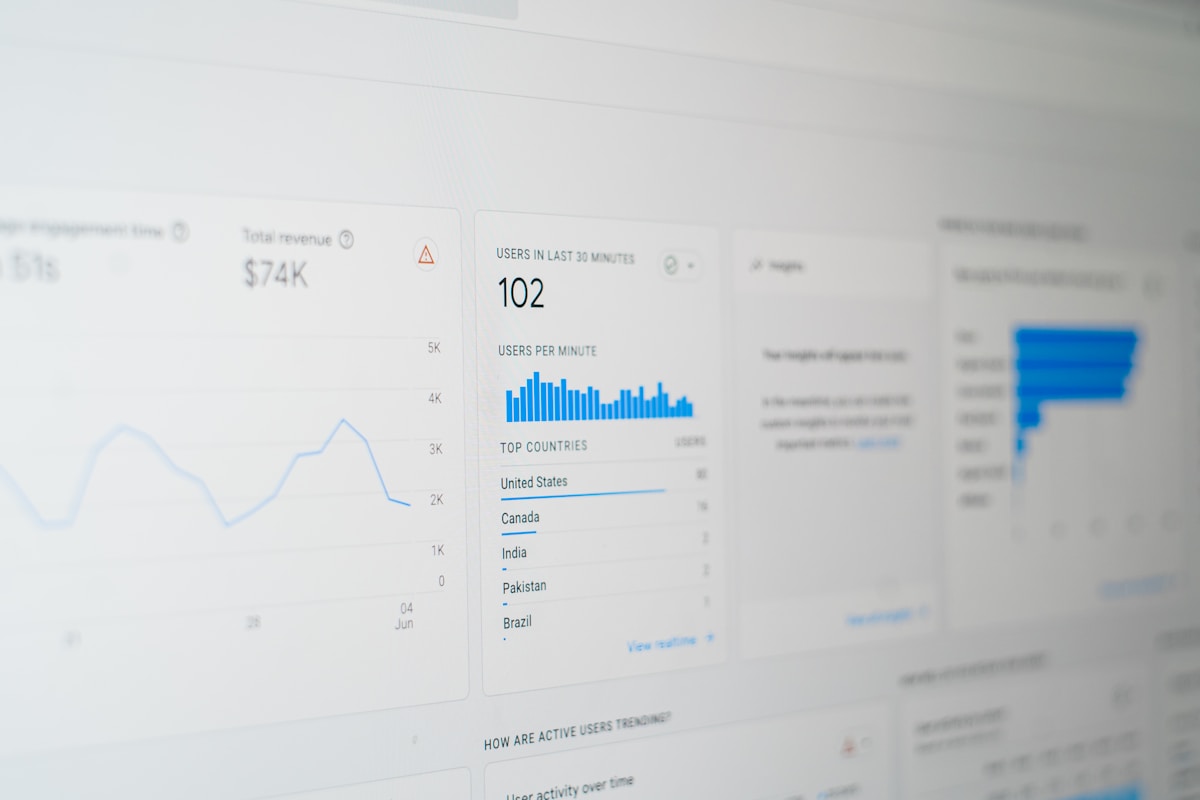
What actually changed to Meta Ads ROAS on January 12, 2026?
Meta removed two specific attribution-window options that had existed for years:
- 7-day view: credited a conversion if someone saw your ad, without clicking, and converted within 7 days
- 28-day view: credited a conversion if someone saw your ad and converted within 28 days, again without a click
Both are gone. The current default is 7-day click plus 1-day view, meaning Meta now only credits a view-only conversion if it happens within a single day of the impression. Anything that used to fall in that wider eight-to-28-day window simply stops being counted, and it stops silently. The deprecated fields don’t return an error. They return blank or zero data. If a reporting tool or spreadsheet still references those fields, it will look like performance collapsed rather than like the measurement rules changed. One analysis (Dataslayer) found that, across industries generally, some accounts had been crediting 30 to 40% of conversions to that now-uncounted window before it disappeared.
This traces back to a developer announcement Meta published in October 2025, giving the industry roughly three months’ notice before the change landed. Reported conversion drops in the 15 to 40% range have been documented across multiple ad-tech platforms and reporting tools since, with the sharper end of that range concentrated in accounts that relied heavily on longer view-through windows.
Why does this hit high-ticket and real-estate advertisers harder than most?
The eight-to-28-day view-through window mattered most for purchases that don’t happen in one sitting: someone scrolls past an ad, doesn’t click, thinks about it for a couple of weeks, and then converts through a direct visit, a search, or a WhatsApp message days later. That pattern shows up far more in long-consideration categories: property investment, elective clinic bookings, B2B service retainers, anything with a five-figure-plus ticket size — the same categories behind documented CPL results like a 61% reduction over 47 days.

For a fast-consideration e-commerce purchase, losing that window barely registers, because most of those conversions were already happening in the first day or two anyway. For a real estate developer or a high-ticket service business, it can mean a meaningful chunk of revenue the ad actually drove disappears from the reported number, even though nothing about the buyer’s actual journey — see the ad, research for two weeks, convert — has changed.
A separate problem stacking on top: is your reported Meta Ads ROAS also inflated?
Here’s what makes this confusing rather than a simple “your numbers went down, adjust for it” situation. The attribution-window change pulls reported conversions down. A separate, unrelated tracking issue can push reported conversions up at the same time, in the same account.
When both the Meta Pixel and the Conversions API fire for the same purchase, and the event_id used to deduplicate them doesn’t match cleanly, Meta can count the same conversion twice. One technical analysis published this year put the resulting ROAS over-reporting at 30 to 50% in affected accounts. Treat that as a single claim worth checking against your own numbers, not an established industry statistic. A high event-match-quality score in Ads Manager doesn’t rule it out, either — that score tells you the events are reaching Meta reliably, not that they’re being deduplicated correctly.
Put both mechanisms together and the honest answer to “is my ROAS too high or too low right now” is: it depends on the specific setup, and the dashboard number alone won’t tell you which direction it’s wrong in. An account could be losing real view-through conversions to the window change while double-counting others through event-ID mismatches at the same time, with the two effects partly offsetting each other in a way that makes the reported number look stable while being wrong on both sides.
What changed in March 2026, and does it matter here too?
A second, quieter tightening reportedly followed in March 2026, per one industry tracking source not yet cross-confirmed elsewhere: click-through attribution now requiring an actual link click, where previously likes, comments, shares, and other engagement could count toward a “click,” alongside the engaged-view threshold for video ad attribution dropping from 10 seconds of watch time to 5 seconds (or 97% of a short video, whichever comes first). Treat this one as worth confirming against Meta’s own changelog before relying on it. Neither is as consequential as the January attribution-window removal, but both would shift what counts as ad-driven activity if accurate — worth knowing if performance is being compared across the year rather than just before and after January 12.
What should you actually do about your Meta Ads ROAS?
- Stop trusting Ads Manager’s ROAS in isolation. Cross-check reported revenue against your actual payment processor, CRM, or booking system for the same date range. The gap between the two numbers tells you more than either number alone.
- Check whether your reporting tools still reference the deprecated fields. If a dashboard, spreadsheet, or third-party connector still pulls
7d_viewor28d_view, it’s likely showing blanks or zeros that get silently averaged into your totals instead of flagged as missing data. - Audit for event_id deduplication issues if you’re running both Pixel and Conversions API, which you should be, for signal-loss reasons unrelated to this specific issue. A high match-quality score in Ads Manager doesn’t confirm deduplication is working correctly; that requires checking directly against your own server logs or CRM. This is exactly what a tracking and CAPI audit is built to catch.
- Don’t make budget decisions off a single week’s dashboard number, especially if your sales cycle runs longer than a few days. The measurement noise from these changes is large enough to produce false “this campaign stopped working” signals on campaigns that haven’t changed at all.
This is, in practice, exactly what a conversion-tracking audit exists to catch: checking whether the number on the dashboard reflects reality in either direction, rather than assuming a lower number means worse performance or a higher one means better. If Meta Ads tracking has never been audited against actual CRM or revenue data — part of the performance marketing work this covers — the January 2026 changes are as good a reason as any to do it now.
Frequently asked questions about Meta Ads ROAS and attribution
Did my Meta ad performance actually get worse, or is this purely a reporting issue?
For most accounts, it’s primarily a reporting issue. The underlying campaigns, audiences, and creative didn’t change. The exception is a business that genuinely relies on long, no-click consideration journeys — there, some real signal about which ads deserve credit has also been lost, not just displayed differently.
How do I know if I’m affected by the January 2026 attribution change?
Compare reported conversions before and after January 12, 2026, for a campaign that didn’t otherwise change. If the drop lines up with that date and the account previously used a 7-day or 28-day view-through attribution setting, this is almost certainly the cause.
Should I switch back to a wider attribution window?
You can’t. The 7-day view and 28-day view windows have been permanently removed, not just changed as a default setting. The widest view-through option currently available is 1-day view.
Is Conversions API (CAPI) alone enough to fix this?
No. CAPI addresses signal loss from browser-side tracking restrictions — ad blockers, iOS privacy settings, cookie limitations — a different problem from the attribution-window removal. Running CAPI alongside the Pixel is still the right baseline setup, but it doesn’t restore the eight-to-28-day view-through window Meta removed, and if implemented incorrectly, CAPI can introduce its own double-counting risk on top of it. More on what a proper setup looks like is covered in the Meta Ads and tracking FAQ.

Not sure which direction your
own numbers are wrong in?
That’s the actual point of this piece — you can’t tell from the dashboard alone. Get a written breakdown of what’s actually happening in your account within 24 hours.